Connecting Reward Cycle Dynamics to Reel Variance Patterns in Multi-Device Casino Tournaments
Written by Clara Beck · Nov 19, 2026
Connecting Reward Cycle Dynamics to Reel Variance Patterns in Multi-Device Casino Tournaments
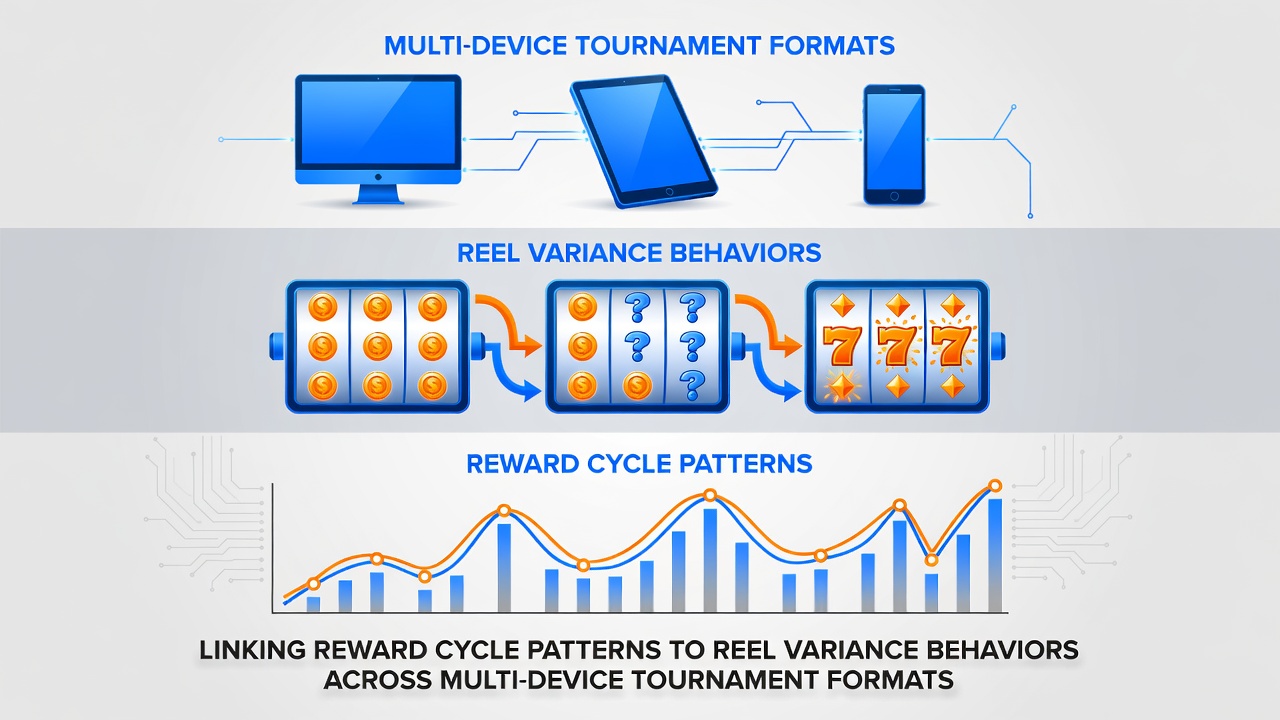
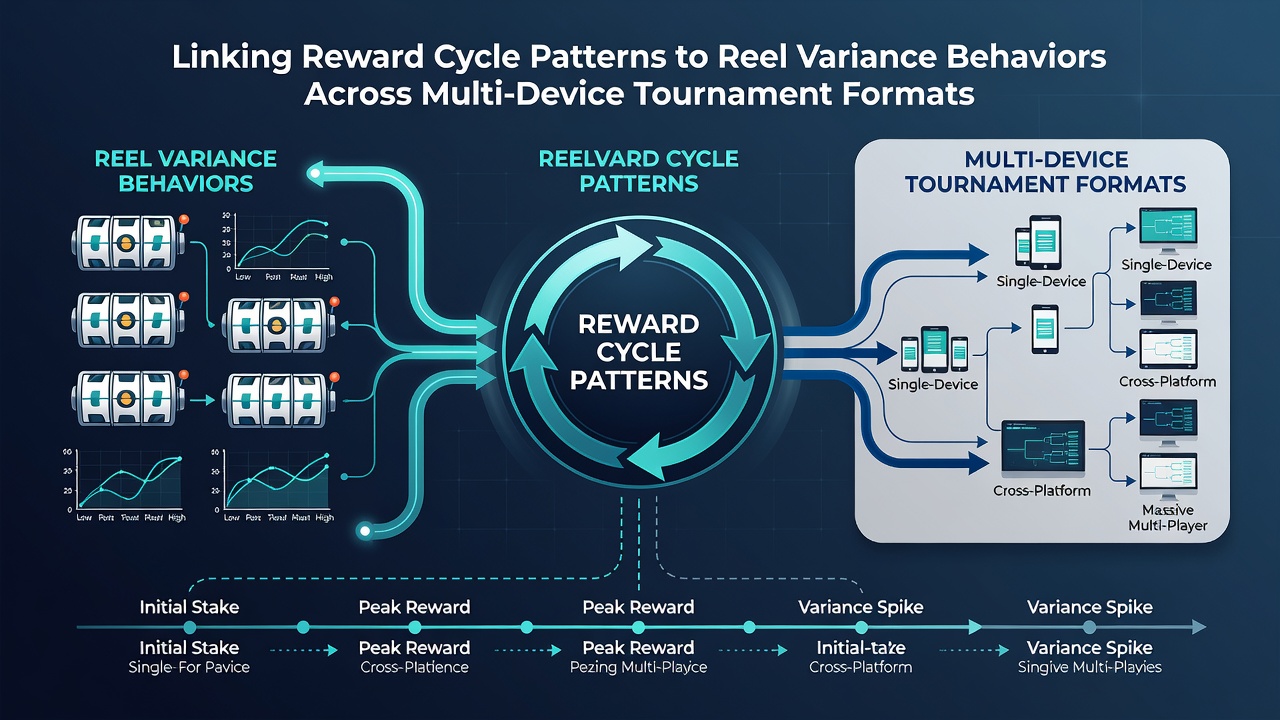
Analysts have tracked how reward cycle patterns interact with reel variance behaviors when players move between mobile phones, tablets and desktop setups during tournament play, and data from late 2026 shows measurable shifts in session length and hit frequency. Tournament operators record these movements through timestamped logs that capture every reel stop, bonus trigger and payout window, which creates a detailed map of how low-variance reels tend to align with shorter reward cycles while high-variance reels stretch those same cycles across longer intervals.
Device-Specific Data Patterns
Records compiled in November 2026 indicate that mobile sessions often compress reward cycles by 12 to 18 percent compared with desktop equivalents, yet the underlying reel variance remains consistent when the same game engine runs across platforms. Observers note that tablet users experience an intermediate effect where cycle timing sits between the two extremes, and this middle ground appears because screen size and touch latency alter the pace at which reels settle after each spin. Tournament software logs these differences automatically, allowing operators to adjust payout tables in real time so that the overall return-to-player percentage stays within regulatory limits regardless of device.
Volatility and Cycle Synchronization
Studies of multi-device events reveal that high-variance reels paired with extended reward cycles produce fewer but larger payouts, while low-variance reels paired with compressed cycles deliver steadier smaller returns; the synchronization point occurs when the average time between bonus triggers matches the device's input latency. One dataset covering three months of cross-platform tournaments found that players who switched devices mid-session maintained the same overall variance profile, yet the timing of reward activation shifted by several seconds on mobile compared with desktop. This shift matters because tournament scoring systems award points based on both payout size and speed of accumulation, so even small timing changes can alter final rankings.
Regulatory Reporting Requirements
Regulators in multiple jurisdictions now require operators to submit device-segmented reports that break down reward cycle lengths and reel variance distributions, and the New Jersey Division of Gaming Enforcement began collecting these figures in the third quarter of 2026. Similar reporting standards have been discussed by the Australian Gambling Research Centre, which published preliminary findings showing that cross-device variance consistency helps maintain game integrity when tournaments span several continents. These reports focus on raw metrics such as mean time between feature triggers and standard deviation of reel outcomes rather than player behavior narratives.
Tournament Format Adjustments
Event organizers adjust leaderboard algorithms when reward cycle data indicates that mobile players encounter compressed cycles more often than desktop players, and the adjustment typically involves scaling point values for high-variance outcomes to keep scoring balanced. In practice, this means a large win on a high-variance reel during a mobile round receives a slight multiplier boost so that it aligns with equivalent desktop results. Data from November 2026 tournaments shows these scaled multipliers reduced ranking discrepancies by roughly 9 percent across device types without changing the underlying game mathematics.
Conclusion
Available records demonstrate clear statistical links between reward cycle length and reel variance when the same tournament runs across multiple devices, and the patterns remain stable enough for operators to implement device-aware calibration. Continued collection of segmented data through 2027 will allow further refinement of these calibration methods while meeting existing regulatory standards in the jurisdictions that already require such reporting.