Decoding Volatility Thresholds That Extend Promotional Credit Lifespans Across Regional Mobile Platforms
Written by Casey Berger · Oct 8, 2026
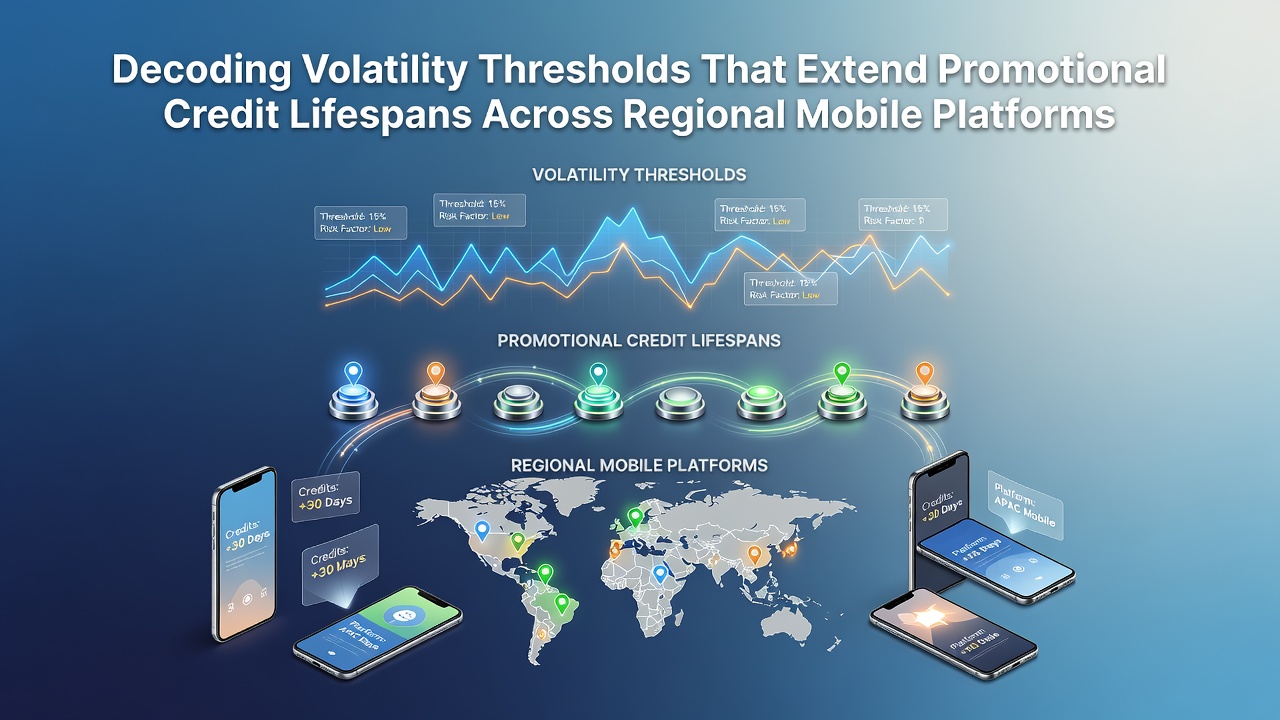
Decoding Volatility Thresholds That Extend Promotional Credit Lifespans Across Regional Mobile Platforms
Volatility thresholds in mobile slot and table games determine how quickly promotional credits deplete during play sessions, and operators in various regions adjust these parameters to align with local regulatory frameworks and user behavior patterns. Data from industry reports show that high-volatility configurations often stretch credit lifespans by spacing out larger payout events, whereas low-volatility settings trigger more frequent but smaller returns that consume balances at steadier rates. Researchers at academic institutions have tracked these mechanics across platforms in North America, Europe, and Asia-Pacific markets, noting consistent correlations between game speed, payout frequency, and the duration of no-deposit or bonus credits.
Regional Variations in Volatility Application
Platforms operating in the United States coordinate volatility settings with state-specific rules, and figures from the New Jersey Division of Gaming Enforcement reveal that mobile operators fine-tune threshold levels during promotional windows to comply with responsible gaming guidelines while extending play periods. In contrast, Australian markets apply different benchmarks, where the Australian Communications and Media Authority monitors how volatility interacts with digital wallet approvals and credit rollover requirements. Observers note that operators in these jurisdictions frequently synchronize game volatility with blockchain confirmation timelines, allowing credits to persist longer before settlement cycles complete.
European operators face additional layers of coordination because multiple countries enforce distinct payout ratio standards, and data indicates that mobile apps adjust volatility thresholds dynamically based on user location detection. Those who study these systems find that mid-volatility ranges tend to balance credit consumption rates with engagement metrics, particularly when live dealer rounds are integrated into the same session as slot play. This approach helps maintain promotional balances across borders where currency fluctuations also influence effective credit values.
Technical Coordination Between Volatility and Credit Systems
Mobile platforms employ algorithms that monitor real-time volatility metrics and automatically shift thresholds when promotional credits approach depletion points, and this process connects directly with tournament structures that reward extended participation. Studies conducted by research groups have demonstrated that aligning volatility patterns with jackpot trigger intervals can add measurable minutes to average session lengths, especially when e-wallet processing windows are factored into the timing. Operators in Singapore and Macau have implemented similar frameworks, where local authorities track these adjustments to ensure compliance with fair play standards.
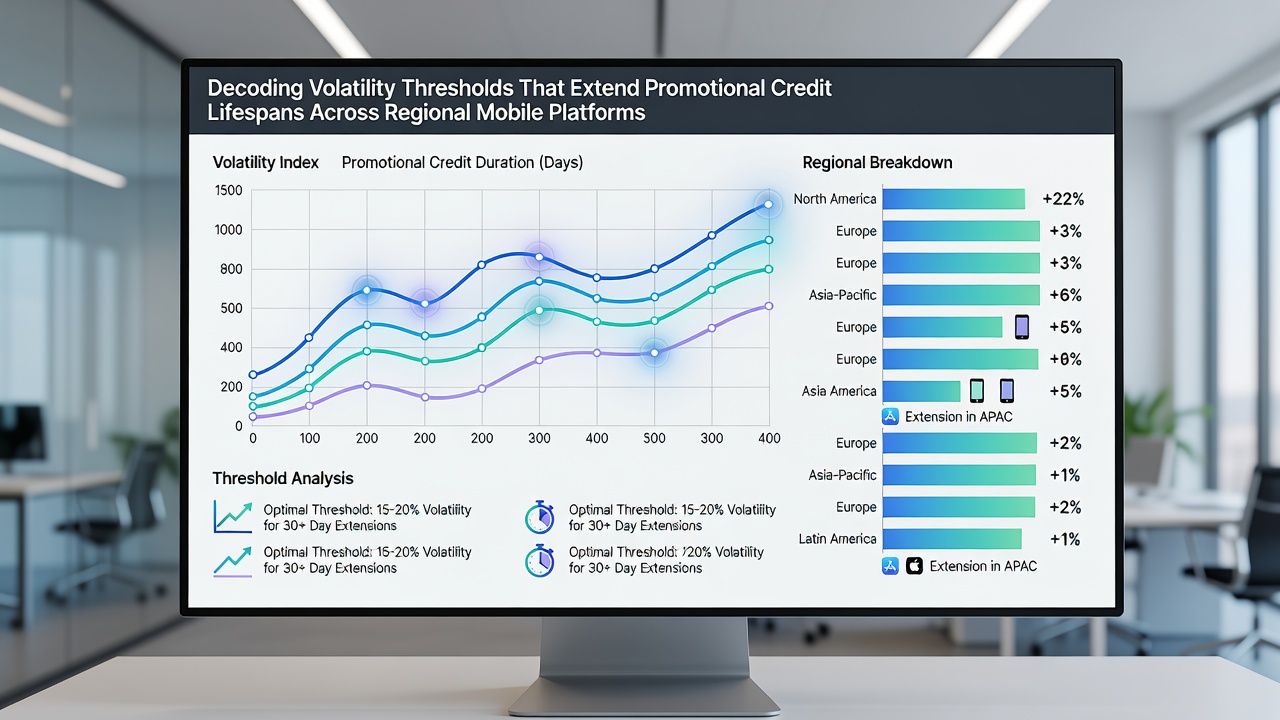
Payment processing timelines play a central role because delays in approval or settlement can either preserve or accelerate credit usage depending on the volatility setting in effect. Experts have observed that high-volatility games paired with slower confirmation cycles often produce the longest credit lifespans, while rapid low-volatility sequences paired with instant deposits tend to exhaust balances more quickly. Industry organizations continue to publish guidelines that help developers calibrate these variables without violating regional caps on bonus durations.
Impact of October 2026 Platform Updates
Platform updates rolled out in October 2026 introduced refined volatility threshold controls that respond to live data feeds from multiple regions simultaneously, and these changes allow operators to extend promotional credits during peak mobile usage hours. Reports compiled by gaming associations indicate measurable increases in session continuity when thresholds are recalibrated to account for both regional latency differences and game pace variations. Developers now test these adjustments across sample user groups before full deployment, ensuring that credit lifespan extensions remain consistent regardless of whether players access slots, live dealer tables, or hybrid tournament formats.
Conclusion
Volatility threshold management has become a core technical function for mobile gaming operators seeking to maximize promotional credit utility across diverse regulatory environments. Continued refinement of these systems relies on data shared between technology providers, regulatory bodies, and academic researchers who document performance across markets. As platforms evolve, the relationship between volatility settings, payment timelines, and regional compliance requirements will determine how long promotional credits remain active for users worldwide.